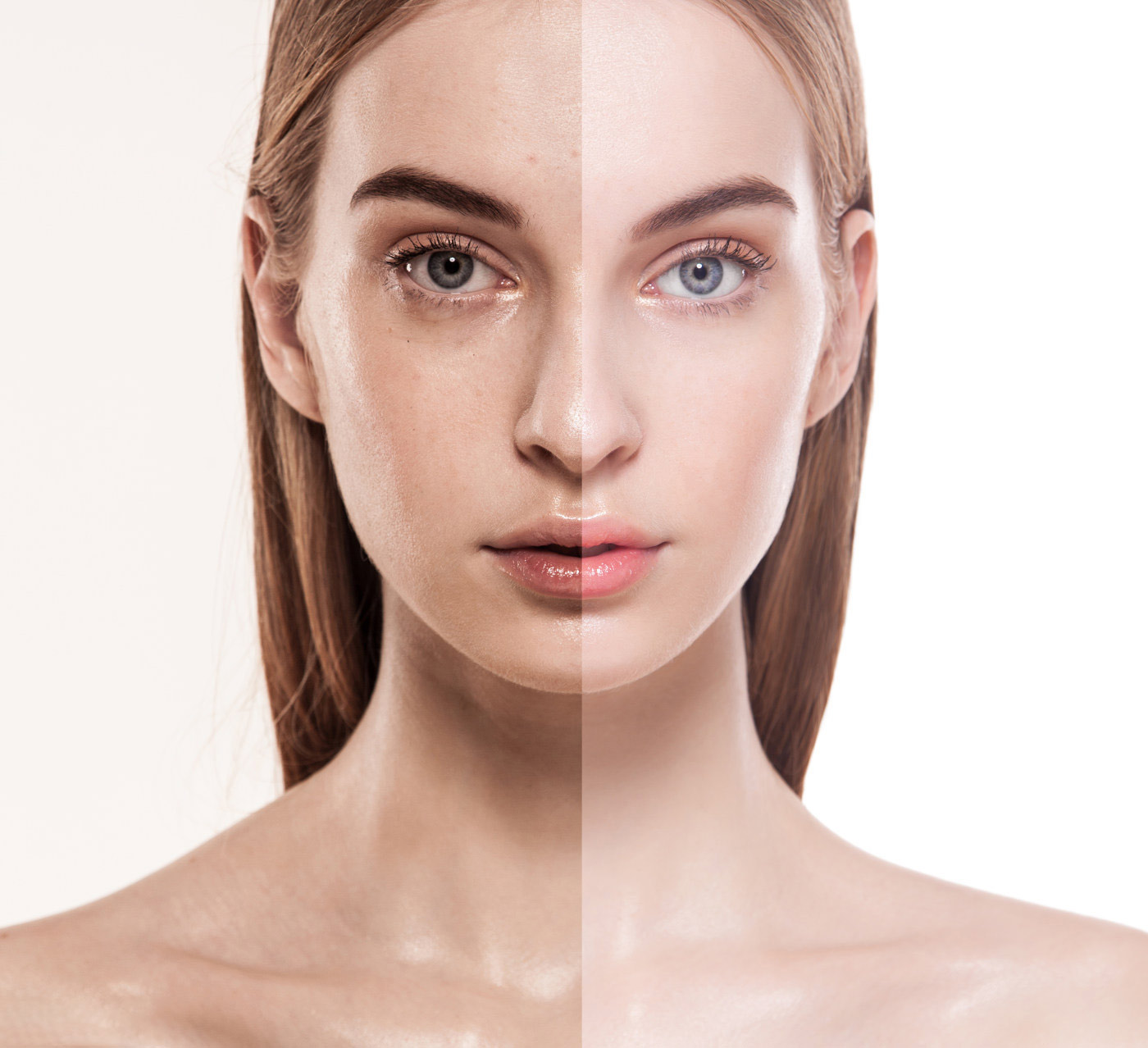
Anti-glicación:
De hecho, en la lucha contra los AGES, el exceso de azúcar en el cuerpo se combina con el colágeno y la elastina de la piel para formar AGES, lo que hace que el colágeno y la elastina sean ineficaces. Esto puede causar que la piel pierda elasticidad, desarrolle arrugas y provoque amarilleamiento.
¿Qué es la sacarificación?
La sacarificación se refiere al proceso en el que, cuando las personas consumen cantidades excesivas de azúcar, parte del azúcar no digerida o metabolizada se combina con proteínas de la piel para producir un producto marrón llamado AGES, comúnmente conocido como productos finales de glicación. Los AGES pueden causar que el colágeno y la elastina se rompan y pierdan elasticidad y soporte, lo que resulta en una piel amarillenta, floja, seca y áspera.
Y esta sustancia es irreversible, ya que su propio color es marrón, y su acumulación puede provocar un oscurecimiento del tono de la piel. Esta opacidad es diferente del bronceado diario o del tono de piel determinado genéticamente, y se acerca más a lo que a menudo llamamos "aire amarillo".
El impacto de la reacción de glicación en la piel
Envejecimiento de la piel: En la piel saludable, el colágeno desempeña un papel rellenador, mientras que la elastina cumple una función elástica. Los AGES pueden causar disfunción en las fibras de colágeno y elastina, lo que resulta en una disminución del relleno y la elasticidad, así como una reducción en la síntesis de la matriz extracelular, provocando una falta de elasticidad y un acelerado aparecimiento de arrugas en la piel.
Reacción de oxidación: Cuando los receptores de AGEs (AGERs) se activan, inducen al cuerpo a producir una gran cantidad de radicales libres, aumentando la carga sobre el sistema antioxidante del cuerpo, dañando aún más el tejido cutáneo, estimulando la producción de melanina y sumiendo la piel en un círculo vicioso.
Acné y boca cerrada: El exceso de azúcar puede aumentar fácilmente los niveles de hormonas masculinas en el cuerpo, lo que provoca una secreción excesiva de grasa y obstrucción de los poros, lo que puede causar fácilmente estreñimiento, úlceras y boca cerrada.
Piel áspera: los AGEs pueden ralentizar la tasa de renovación de los queratinocitos de la epidermis, aumentar la apoptosis celular, eliminar los queratinocitos que no pueden metabolizarse a tiempo y hacer que la piel aparezca áspera.
Tono de piel amarillento: La sacarificación de la capa dérmica provoca gradualmente que la piel se vuelva amarilla, mientras que la glicación de la estrato córneo reduce la capacidad de hidratación y la translucidez de la piel, lo que resulta en una piel seca y opaca.
Desarrolla hábitos alimenticios correctos, controla estrictamente la dieta, mantén los carbohidratos dentro de un rango razonable y reduce gradualmente la ingesta de azúcar en la dieta.
Cambia la estructura dietética, controla la cantidad de alimentos con alto índice glucémico y come más alimentos con bajo índice glucémico; el IG se refiere al índice glucémico de los alimentos, en términos generales, un IG>70 es un alimento con alto índice glucémico, como fideos, tortas de arroz, sandías, etc.; un IG<55 es un alimento con bajo índice glucémico, como frijoles mungo, granos integrales, espinacas, etc.
Alejate de azúcar refinado, azúcar convertido, azúcar procesado, como pasteles de té con leche, refrescos y otras comidas o bebidas dulces.
Evita freír, asar y saltear alimentos, y trata de consumir alimentos no procesados o poco procesados. Los métodos de cocción diarios deben incluir principalmente procesamiento a baja temperatura, al vapor, hervir y estofar, y la cantidad de condimentos utilizados en la cocción también debe reducirse adecuadamente.
Come más alimentos que contengan vitamina C o curcumina. Como naranjas, zanahorias, tomates, etc.
Mantener una actividad física adecuada y correcta puede ayudar a metabolizar algunos azúcares excesivos, reducir la grasa y aumentar la masa muscular. La creatina en los músculos y la piel tiene efectos anti-glicación.
La combinación de ejercicio anaeróbico y aeróbico consume principalmente el glucógeno. Después de agotar el glucógeno almacenado en el cuerpo, el ejercicio aeróbico puede acelerar el metabolismo aeróbico y mejorar la capacidad metabólica del cuerpo, logrando el efecto de quemar grasa, metabolizar azúcar y reducir las reacciones de glicación.
Asegúrate de tener un horario de sueño regular y buenos hábitos de vida, acostarte temprano y levantarte temprano, evita lo más posible quedarte despierto hasta tarde, bebe más agua y acelera el metabolismo. La protección solar debe realizarse durante todo el año para resistir el daño del azúcar y del sol, y para resistir el fotoenvejecimiento después de la oscuridad. Limpia la piel correctamente y elimina con prontitud las células muertas, el aceite y otros metabolitos. Usa productos anti-glicación según tu tipo de piel.